MENUMENU
Written By | Tom Comet
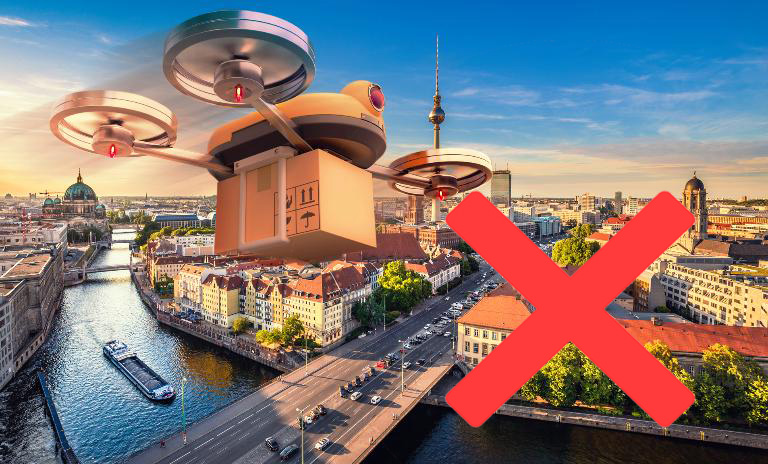
For years, folks have been having pie-in-the-sky dreams of drones delivering everything from pizzas to FedEX packages right to our doorsteps, 24 hours a day. Thankfully, this dystopian concept has all but eluded the tech giants, venture capitalists and tech developers.
What?? Why, you ask, would a “drone guy” like me be against drone delivery? Read on, my friends, and discover why I am NOT against drone delivery in general, but I just don’t see how business-to-consumer drone delivery at scale can realistically work.
Why business-to-consumer drone delivery will inevitably fail (for a while):
1 – Beyond visual line of sight (BVLOS) drone operations, where the drone is operated further than the Pilot can see, has VERY stringent regulations and requirements that are difficult to implement and even harder to get approvals for. And with good reason. There are airplanes, helicopters, skydivers, birds, powerlines and other obstacles up there that would be easy for BVLOS drones to “bump” into. Obviously not a good thing. Yes, the regulations are changing and the bureaucracy is trying desperately to catch up to the tech but we are not there yet.
2 – The scalability problem: In Canada, Amazon alone currently delivers 1.5-2 million packages a day. In the US this number is a staggering 17.2 million packages. Add FedEX, UPS, Costco, Walmart…the list goes on. Consumer demand would require so many delivery drones buzzing overhead that even our tech-loving society would eventually balk at this.
3 – Urban centers, where the bulk of the population lives, are not yet set up for this kind of service. Where would drones deliver to the large portion of the population living in high-rise buildings? A “skyport” on the roof? How about people with small or non-existent back yards?
4 – In Canada and the US, distances involved in consumer deliveries are varied and long. Drones require batteries to fly, and battery technology is limited by physics. Current levels of energy density in batteries are not enough to make such deliveries viable. As chief engineer Scotty in Star Trek likes to say, “Jim, I can’t change the laws of physics!”
5 – The tech is VERY difficult to get right. I know for a fact that seriously BIG money has been spent by many of the big delivery players in the market in an attempt to “get drone delivery off the ground” (sorry about that). So far, they have all failed and some spectacularly so. The level of automation, redundant safety systems and remote oversight required to get even small test sites working for drone delivery has so far eluded all of the smartest people in this field. Sure, there are some companies offering limited roll-outs and gimmicky “mostly on camera” and highly controlled drone delivery displays but, to my knowledge, no one is actually doing it at scale.
Where Does Consumer Drone Delivery Actually Work?
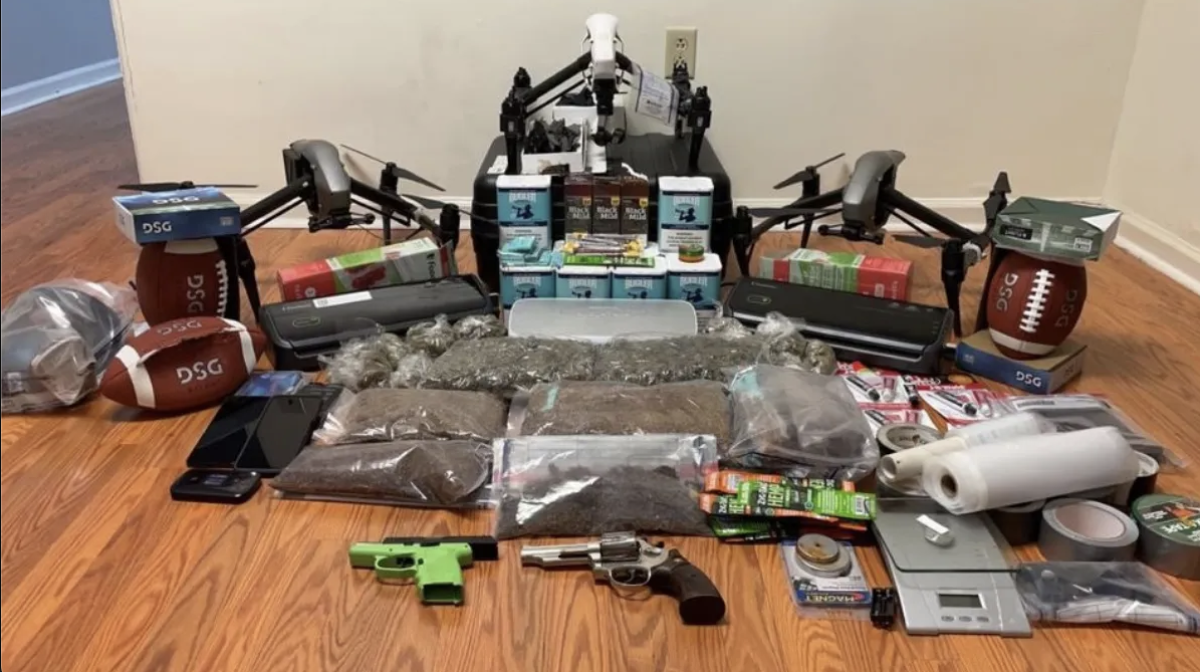
One market where “consumer” drone delivery has been relatively successful has been illegal operations dropping packages to folks in prisons. Why is this genre so much more successful than the previous one I discussed? Simple, these operators are in the envious position of being able to disregard all current rules and regulations, they operate in relatively remote, sparsely populated areas, delivery volume is low, packages are usually light weight and of high value, all of which allows them to command a very high dollar value per delivery. This business model might work, but is NOT a market we are currently looking to explore.
Why keep working so hard to achieve business-to-consumer drone delivery? This is a deeper question and one that I have spent a long time trying to figure out. For some reason the general public remains enamored with flying drones, perhaps pinning hopes and dreams on drones as a vehicle to transport us into a wonderful Jetson’s-like future. We feel that drones can solve many problems, allow us to get more “stuff” quicker and live an easier life and maybe… eventually… they will. Drones have definitely changed the way we see the world from filmmaking to industrial scanning, search and rescue, to inspections and much more.
I have written another article all about Industrial Drone Delivery which is a very different scenario and an implementation of larger delivery drones on secure, industrial sites which I feel is a very viable solution. Read my BLOG post about Industrial Drone Delivery HERE.
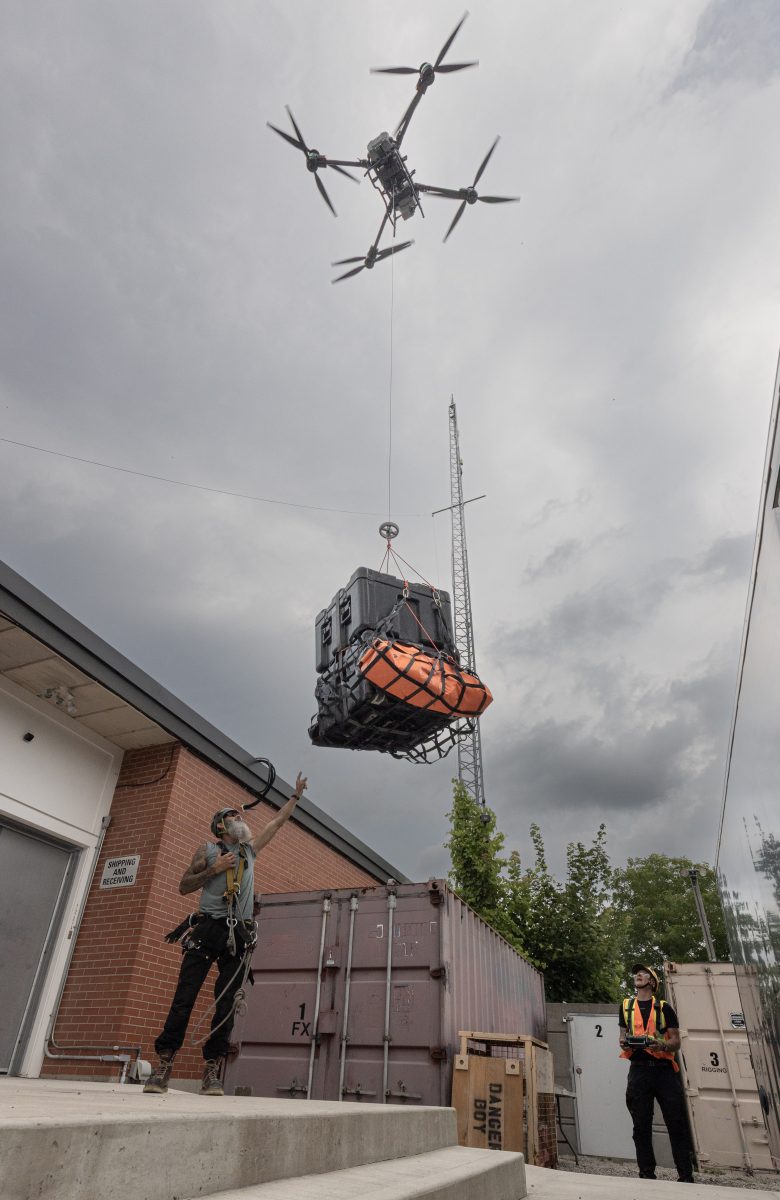
My company DroneBoy is currently operating a fleet of heavy lift cargo drones and implementing Industrial Drone Delivery – A drone cargo deliver model that WORKS! We operate Freefly ALTA X’s, DJI FlyCart 30’s, DJI FlyCart 100’s and the soon to be released DJI FlyCart 200s too. To find out more about Drone Delivery technology and how you can harness it to its best potential for your industrial logistics and support challenges Contact us today!